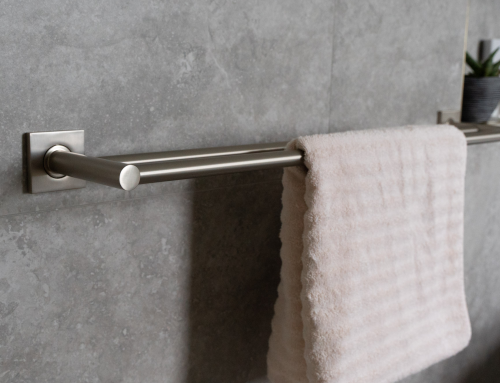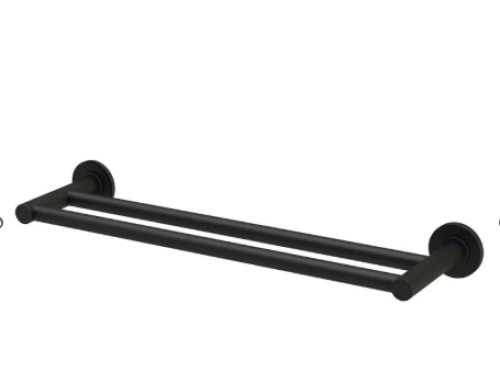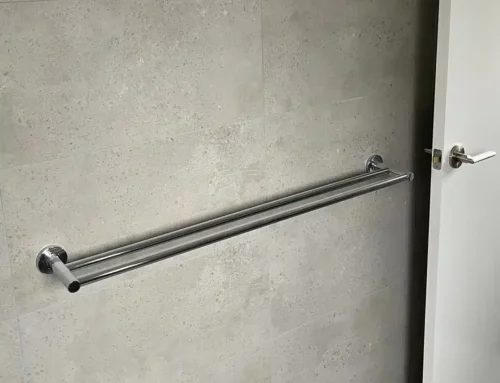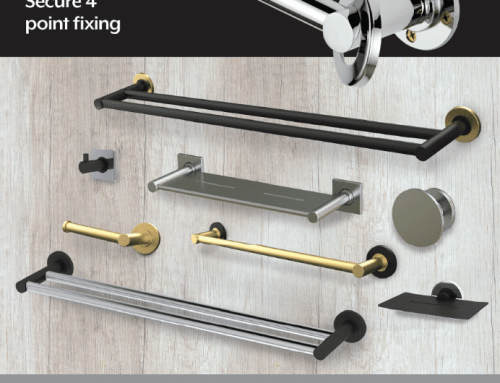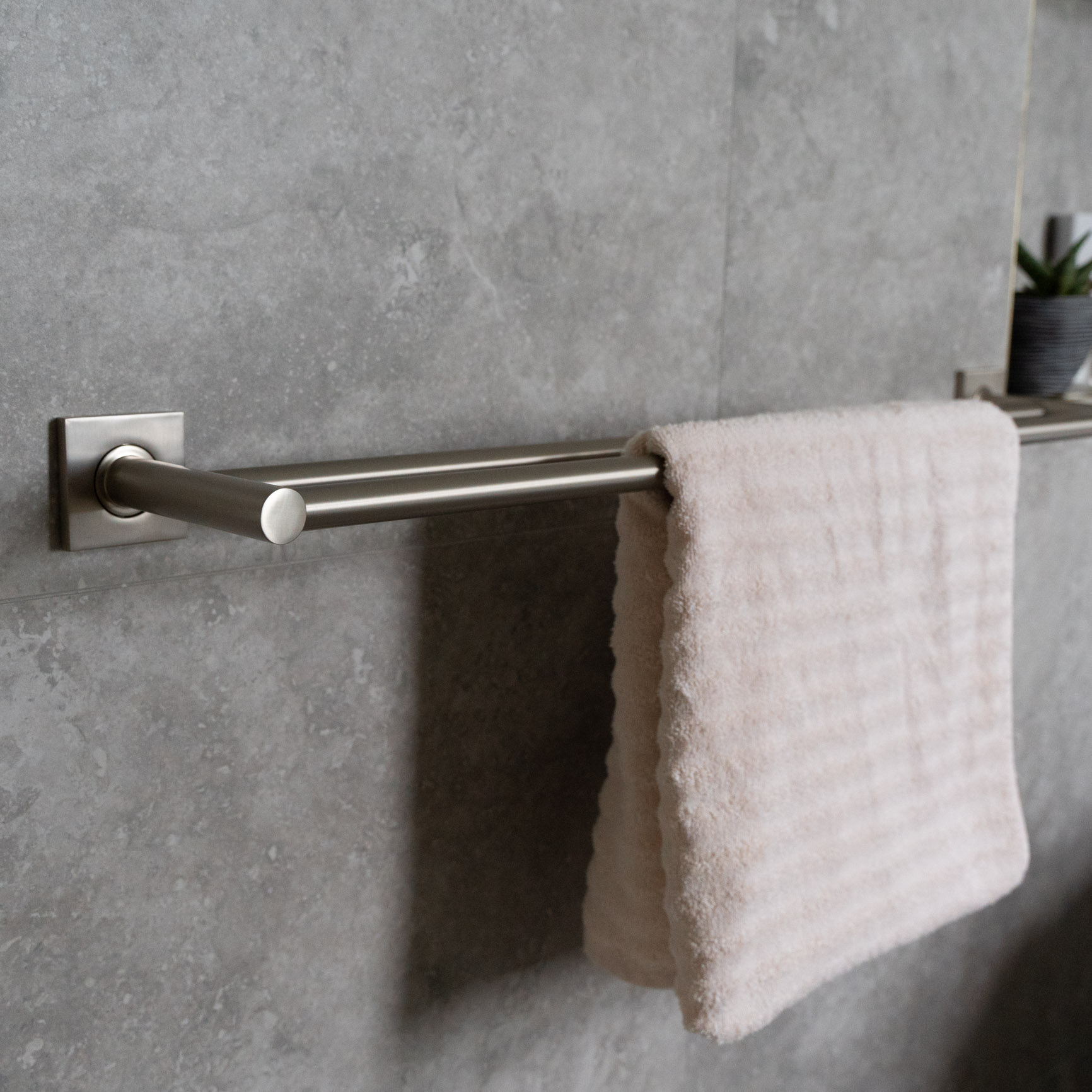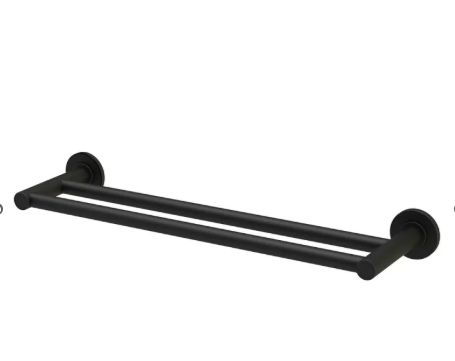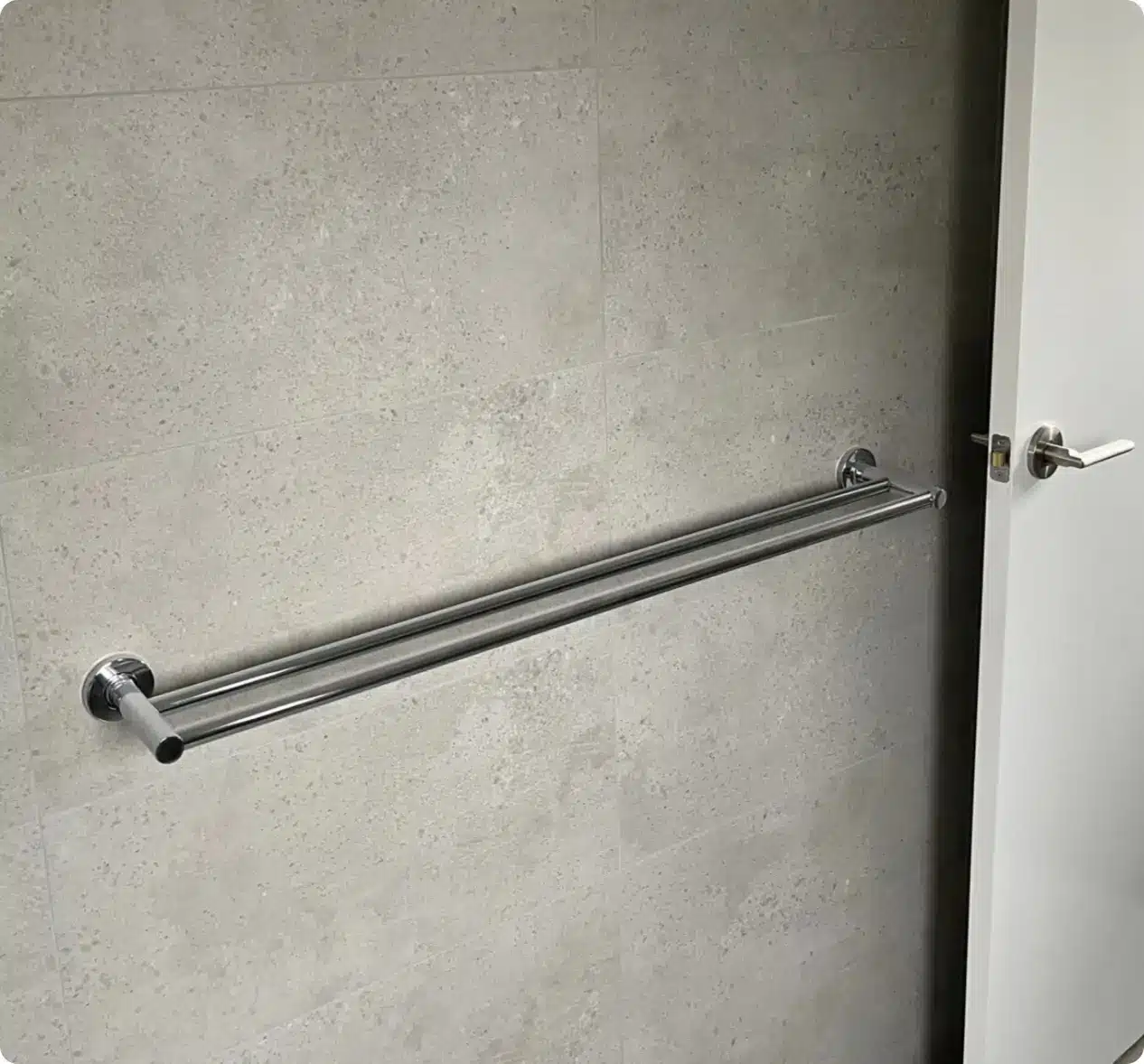

UDO Systems offers a system-based approach to bathroom accessories, focusing on strength, reliability, and ease of use. The Master Rail range is designed to perform consistently in both residential and commercial environments.
Toilet roll holders are one of the most used — and most overlooked — elements in any bathroom.
Whether it’s a double toilet paper holder, a commercial toilet roll holder, or a simple toilet tissue roll stand, these fixtures are used multiple times a day without much thought. Yet when they fail, the inconvenience is immediate.
Loose fittings, awkward roll changes, or holders pulling away from the wall are common issues in both residential and commercial spaces.
The reason? Most toilet roll holders are designed for appearance, not long-term performance.
Understanding how to choose the right solution can make a significant difference in both functionality and durability.
The Everyday Problem with Toilet Roll Holders
At first glance, toilet roll holders seem simple. A bar, a bracket, and a mounting point — what could go wrong?
In reality, quite a lot.
Common Issues Include:
- Holders becoming loose over time
- Brackets shifting or detaching from the wall
- Difficulty replacing rolls
- Poor alignment after installation
These issues are not limited to low-cost products. Even premium-looking holders can fail if the underlying design is weak.
Why High-Use Fixtures Require Better Design
Toilet roll holders are used frequently and often without care. Unlike decorative elements, they must withstand:
- Repeated pulling and handling
- Uneven force from different users
- Constant daily interaction
This is especially true for:
- Commercial toilet roll holders in public spaces
- Family bathrooms with multiple users
- High-traffic environments
Without proper engineering, these conditions lead to gradual loosening and eventual failure.
Understanding Different Types of Toilet Roll Holders
Choosing the right type of holder is the first step toward better performance.
Double Toilet Paper Holder
A double toilet paper holder is designed to hold two rolls at once, providing convenience and reducing the need for frequent replacement.
Benefits:
- Ideal for busy households
- Reduces interruptions when one roll runs out
- Adds functionality without increasing space significantly
However, because it carries more weight, it requires a stronger fixing system to remain stable over time.
Commercial Toilet Roll Holder
A commercial toilet roll holder is built for high-traffic environments such as offices, restaurants, and public facilities.
Key Requirements:
- Durability under constant use
- Secure fixing to prevent tampering or damage
- Easy maintenance and roll replacement
In these settings, weak fixing systems can quickly lead to failure, making strength and reliability essential.
Toilet Tissue Roll Stand
A toilet tissue roll stand is a freestanding option that does not require wall mounting.
Advantages:
- No installation required
- Flexible placement
- Easy to move
However, freestanding designs may lack the stability and space efficiency of wall-mounted systems, especially in smaller bathrooms.
Spring Loaded Toilet Roll Holder
A spring loaded toilet roll holder is one of the most common designs, using internal tension to hold the roll in place.
Pros:
- Easy to install
- Simple to replace rolls
Cons:
- Springs can weaken over time
- Components may loosen with repeated use
- Less stable compared to fixed systems
While convenient, this design often sacrifices long-term durability.
The Real Issue: Fixing Strength
Regardless of the type, the most important factor in performance is how the holder is fixed to the wall.
Traditional systems typically rely on:
- One or two screws
- Mounting brackets
- Grub screws to secure the outer piece
This creates several problems:
- Limited load distribution
- Increased stress on individual fixing points
- Higher risk of loosening over time
For items like a double toilet paper holder or a commercial toilet roll holder, this weakness becomes even more noticeable.
A Better Approach: Engineered Stability
A more reliable solution focuses on improving fixing strength and eliminating common failure points.
Key Principles of Strong Design
- Multiple Fixing Points
Using more than two fixing points distributes load evenly and reduces stress on the wall. - Direct Wall Connection
Fixing directly into the wall improves stability compared to bracket-based systems. - Reduced Dependency on Small Components
Eliminating parts like grub screws reduces the risk of loosening.
Designed from Real Trade Experience
The need for better toilet roll holders is not theoretical — it comes from real-world experience.
Master Rail was developed by a tradesperson who repeatedly encountered failing bathroom accessories, including toilet roll holders.
The pattern was consistent:
- Products installed correctly
- Holders loosening over time
- Repairs becoming routine
This led to a simple conclusion:
Bathroom accessories should be designed to perform, not just appear functional.
A System-Based Solution
Rather than designing individual products in isolation, Master Rail takes a system-based approach.
This means toilet roll holders are part of a broader modular system that includes:
- Towel rails
- Hooks
- Shelving and storage solutions
Benefits of a System Approach
- Consistent finishes across all accessories
- Flexible configurations
- Scalable design for different spaces
- Improved reliability through shared engineering principles
This ensures that a double toilet paper holder or commercial toilet roll holder performs as part of a cohesive solution.
Why Most Toilet Roll Holders Fail — And How a 4-Point Fixing System Solves It
Most standard toilet roll holders rely on:
- One or two fixing points
- Bracket-mounted systems
- Small grub screws to hold the fitting in place
At first, everything feels secure. But repeated pulling and handling gradually weaken the connection.
Common problems include:
- Holders loosening from the wall
- Brackets shifting over time
- Constant tightening and maintenance
- Uneven alignment
Most holders rely on small grub screws — a known failure point.
Master Rail eliminates this completely.
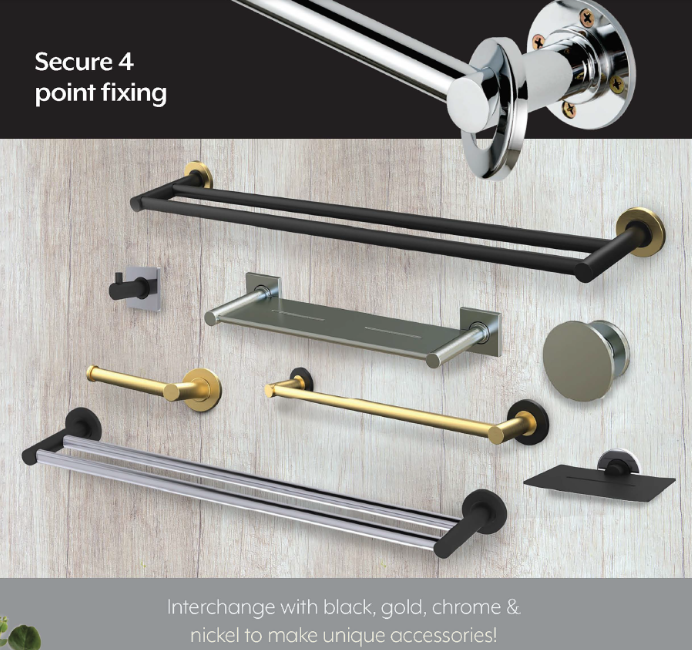
Instead of depending on small components and minimal fixings, Master Rail uses a 4-point fixing system engineered for greater stability and long-term reliability.
The Difference with 4-Point Fixing
Traditional systems:
- Limited fixing strength
- Greater pressure on individual screws
- Higher chance of instability
Master Rail system:
- Four fixing points for improved load distribution
- Stronger connection to the wall
- Reduced maintenance
- Better long-term performance
This creates a toilet roll holder designed to remain secure in real-world conditions.
Designed Beyond Standard Fixing Systems
Master Rail also improves functionality and finish through thoughtful engineering details.
Silicone O-Ring System
Cover plates are secured using a silicone O-ring system, allowing them to sit firmly while remaining easy to remove and refit when needed.
Benefits include:
- Cleaner appearance
- Secure fitment
- Easier maintenance access
Interchangeable Cover Plates & 2-Tone Customisation
The system also includes interchangeable cover plates for greater design flexibility.
Options include:
- Round cover plates
- Square cover plates
- 2-tone customisation combinations
This allows homeowners and designers to match accessories more precisely to the overall bathroom aesthetic without compromising strength.
A System-Based Approach
Master Rail is designed as a complete bathroom accessory system rather than isolated products.
This allows for:
- Consistent finishes across accessories
- Coordinated layouts
- Flexible configurations for residential and commercial spaces
The same engineering principles apply across towel rails, hooks, shelving, and toilet roll holders.
Why Better Fixing Matters
Toilet roll holders may seem like a small detail, but poor fixing systems quickly affect everyday functionality.
Weak holders can lead to:
- Ongoing maintenance
- Reduced usability
- Premature replacement
A properly engineered fixing system improves reliability, appearance, and long-term value.
Conclusion
Choosing the right toilet roll holder is about more than appearance. Strength, fixing design, and reliability all play a major role in long-term performance.
Master Rail combines stronger fixing methods, concealed installation, modular design, and engineered stability to create bathroom accessories built for real use.
To explore the range, contact UDO Systems or visit a retailer across Australia.
Toilet roll holders shouldn’t come loose. Master Rail is engineered to make sure they don’t.
FAQs
2. What is a 4-point fixing system?
A 4-point fixing system uses four mounting points to distribute load more evenly and improve stability.
3. Are double toilet paper holders stronger than single holders?
They can be, but because they carry more weight, they require a stronger fixing system for reliable long-term performance.
4. What are interchangeable cover plates?
They are removable cover plates that allow different shapes and finishes to be used while maintaining the same fixing system.
5. What is the benefit of the silicone O-ring system?
The silicone O-ring helps hold cover plates securely in place while allowing easy removal for maintenance or changes.
6. Are Master Rail products suitable for commercial spaces?
Yes. The system is designed for both residential and commercial environments where durability and stability are essential.